




When we think about a healthy smile, our attention often goes straight to bright, perfectly aligned teeth. However, the true foundation of oral wellness lies just beneath the surface in your gums. Healthy gums anchor your teeth, shield vulnerable root structure from bacteria, and serve as a vital protective barrier for your entire mouth.
Gum disease—ranging from mild gingivitis to severe periodontitis—is one of the most common chronic health concerns worldwide. The encouraging news is that effective gum care does not require complex or painful interventions. By adopting a few targeted, gentle daily habits, you can protect your soft tissue, prevent plaque accumulation, and maintain a thriving, healthy mouth for life.
1. Master Gentle, Effective Brushing Techniques
It is a common misconception that brushing harder leads to cleaner teeth. In reality, aggressive brushing with hard bristles can wear down delicate enamel and cause gum recession, exposing sensitive tooth roots to decay and temperature sensitivity.
To care for your gums properly while brushing:
- Use a Soft-Bristled Toothbrush: Soft or extra-soft filaments effectively sweep away plaque without abrading delicate soft tissue.
- Angle at 45 Degrees: Tilt your toothbrush head at a 45-degree angle toward the gumline. This allows the bristles to gently clean the shallow sulcus—the groove where the gum meets the tooth.
- Use Gentle Circular Motions: Avoid aggressive back-and-forth scrubbing. Instead, employ small, circular strokes or light sweeping motions away from the gumline.
- Brush for Two Full Minutes: Ensure you spend equal time in all four quadrants of your mouth twice daily.
2. Clean Between Teeth Every Single Day

Even the most meticulous brushing leaves nearly forty percent of tooth surfaces untouched. The tight spaces between your teeth are prime breeding grounds for anaerobic bacteria, which thrive in low-oxygen environments and produce toxins that trigger gum inflammation.
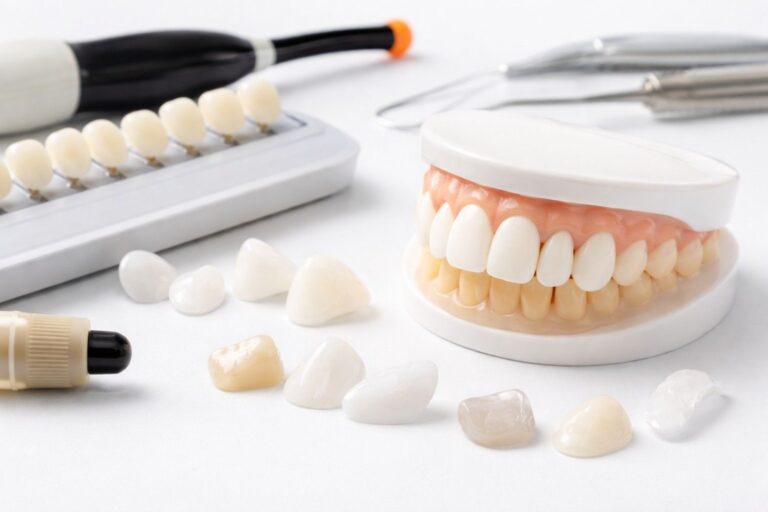
Over time, this undetected interdental decay can lead to structural damage, highlighting the key signs patients need white fillings—such as lingering sensitivity, visible dark spots between contacts, or sharp twinges when biting down.
Incorporating daily interdental cleaning is non-negotiable for long-term periodontal health:
- Traditional Dental Floss: Curve the floss into a “C” shape around each tooth, sliding gently beneath the gumline to lift away trapped food and sticky biofilm.
- Interdental Brushes: If you have larger gaps, dental bridges, or orthodontic appliances, small interdental brushes can clean between teeth comfortably and thoroughly.
- Water Flossers: For those with dexterity challenges or sensitive tissues, a water flosser uses a targeted stream of pulsating water to flush out debris and massage gum tissue.
3. Support the Oral Microbiome with Smart Rinses
Your mouth is home to billions of microorganisms collectively known as the oral microbiome. While some bacteria contribute to gum irritation and plaque formation, many beneficial strains protect your mouth from pathogens and help regulate oral pH.
Traditional alcohol-based mouthwashes can be excessively harsh, stripping away both good and bad bacteria while drying out delicate tissues. Dryness reduces natural saliva, creating an environment where harmful, odor-causing bacteria flourish.
Instead, modern oral hygiene focuses on balancing the oral environment. Using a high-quality nanosilver mouthwash offers an advanced, alcohol-free alternative. Nanosilver technology helps target harmful biofilm structures and neutralize acidity without burning sensitive tissues or disrupting the essential microbial harmony necessary for optimal periodontal health.
4. Hydrate to Maintain Healthy Saliva Flow

Saliva is your mouth’s most powerful natural defense system. It contains essential minerals like calcium and phosphate, neutralizes harmful acids produced by plaque bacteria, and continuously washes away loose food particles.
When saliva flow decreases, the risk of gum inflammation, dry mouth discomfort, and tooth decay increases significantly. To keep your saliva flowing smoothly:
- Drink Plenty of Water: Sip water consistently throughout the day, especially after eating meals or sugary snacks.
- Chew Xylitol Mints or Gum: Xylitol stimulates salivary flow while actively inhibiting plaque-causing bacteria from adhering to teeth and gums.
- Limit Dehydrating Beverages: Be mindful of high caffeine and alcohol intake, which can dry out oral tissues and reduce protective salivary output.
5. Nourish Your Periodontal Tissues from Within

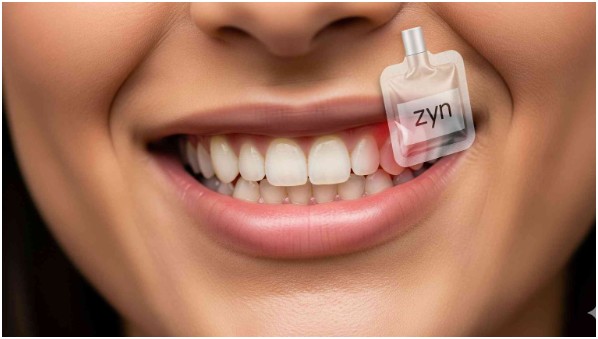
Gum care extends beyond topical cleaning; your diet directly influences your body’s ability to repair and maintain collagen-rich gum tissue. At the same time, oral habits play a major role, prompting many to ask: Are Zyns bad for your gums? Because nicotine constricts blood vessels and reduces local blood flow, placing nicotine pouches directly against oral tissue can cause localised irritation, gum recession, and compromised tissue health over time.
Key nutrients for strong gums include:
- Vitamin C: Essential for collagen synthesis and tissue repair. Citrus fruits, bell peppers, broccoli, and strawberries help keep gum tissue resilient.
- Omega-3 Fatty Acids: Found in wild-caught fish, flaxseeds, and walnuts, omega-3s possess natural anti-inflammatory properties that help calm tender gums.
- Antioxidant-Rich Foods: Green tea, leafy greens, and berries help combat oxidative stress in oral tissues caused by bacterial activity.
- Reduce Refined Sugars: High-sugar diets fuel acidic bacterial growth, triggering inflammatory cascades that damage gum attachment over time.
Consistency Is the Key to Lasting Gum Health
Building healthier gums does not require drastic measures; it relies on thoughtful, consistent daily care. By combining gentle brushing, interdental cleaning, adequate hydration, and microbiome-conscious products, you create an environment where your gums can thrive. Protect your foundation today to enjoy a strong, comfortable, and vibrant smile for years to come.