




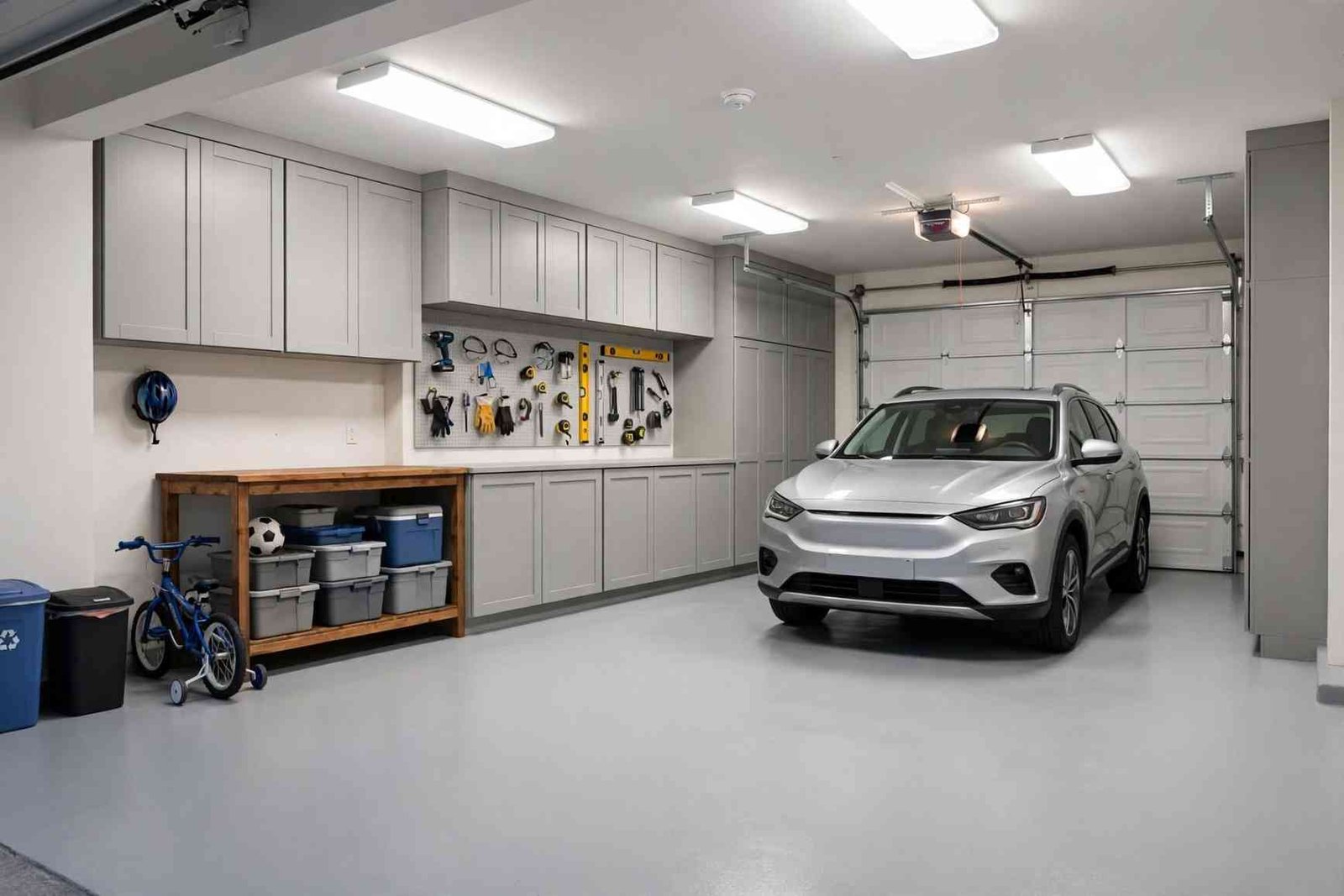
For many homeowners, the garage serves as much more than a sheltered parking spot for vehicles. It functions as a workshop, seasonal storage hub, home gym, and utility area all rolled into one.
However, because it often acts as a catch-all space, it can rapidly accumulate clutter and conceal serious safety risks. From hazardous chemicals and heavy machinery to fire risks and faulty overhead doors, unaddressed garage hazards pose significant dangers to family members and pets.
Maintaining a functional, clean, and organized space is not simply about aesthetic appeal; it is a critical strategy for home safety and asset protection. By establishing systematic maintenance routines and implementing proactive safety precautions, you can transform your garage into a secure and efficient environment.
1. Eliminate Fire Hazards and Manage Flammables
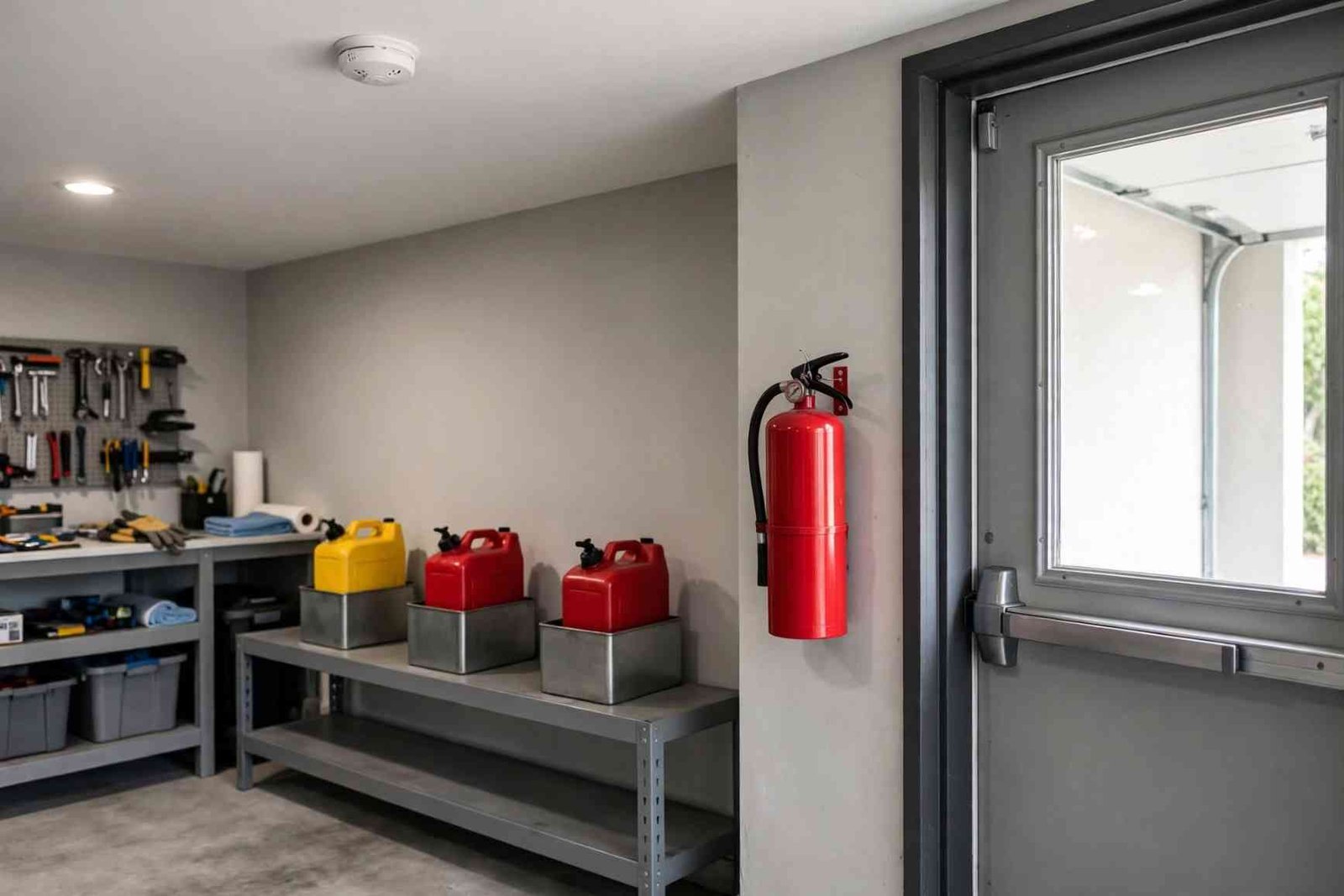
Garages are primary storage locations for volatile products, including motor oils, gasoline, paints, solvents, and cleaning liquids. When stored improperly or left near heat sources such as water heaters or electrical outlets, these substances dramatically elevate the risk of home fires.
To minimize fire hazards across your garage:
- Store all flammable liquids strictly in tightly sealed, clearly labeled, leak-proof containers away from heat or ignition sources.
- Never keep propane tanks inside the garage; store them outside in a well-ventilated area.
- Install a dedicated smoke detector inside the garage and inspect it regularly.
- Keep a fire extinguisher rated for chemical and electrical fires in an easily accessible location near the exit door.
- Avoid relying on permanent extension cords, as overloaded or frayed wiring can easily spark electrical fires.
Homeowners should also understand how everyday activities can affect fire detection systems. For example, learning whether vapes can set off smoke alarms helps clarify how airborne particles may trigger certain detectors and why proper ventilation and appropriate alarm placement matter.
2. Secure Hazardous Materials and Chemicals
Pesticides, fertilizers, antifreeze, and industrial cleaners are commonplace in most households, yet accidental exposure or ingestion can lead to severe poisoning or chemical burns. Proper containment is essential for preserving household safety.
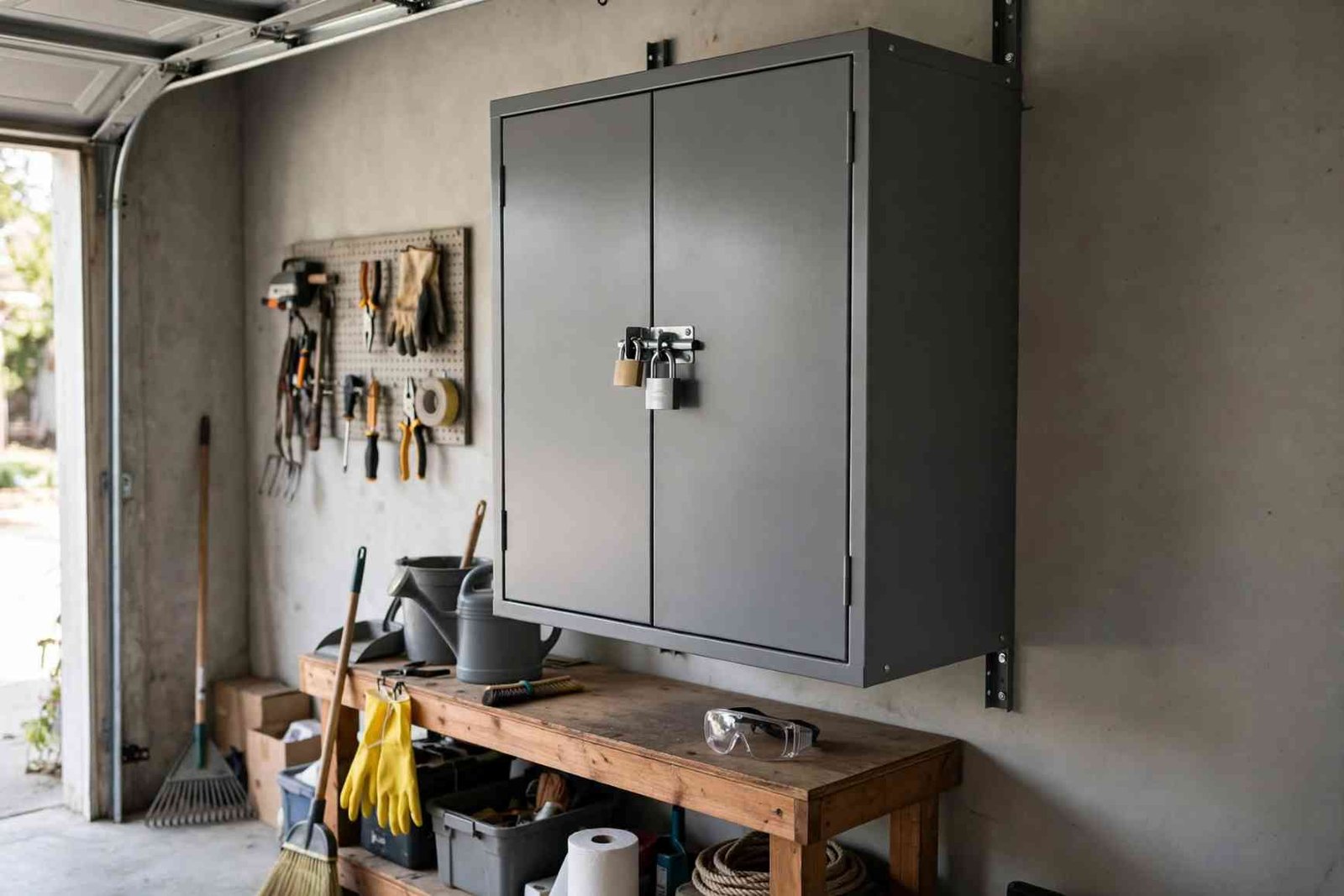
All hazardous liquids and powders should remain in their original packaging with original warning labels intact. Avoid mixing different products or transferring chemicals into food containers. Storing these substances on high overhead shelves or within locked enclosures prevents accidental contact by children and domestic animals.
Investing in locked, durable options like garage storage cabinets in Park City offers a secure, fire-resistant solution to keep toxic items locked out of reach while protecting products from environmental degradation. Additionally, clean up chemical spills immediately using absorbent materials to prevent toxic fumes or floor degradation.
3. Safely Store Tools and Power Equipment
Sharp hand tools, heavy machinery, and power equipment represent severe injury hazards if scattered around workspaces or stored unstably overhead. Tripping over trailing power cords or loose gear remains one of the leading causes of residential garage accidents.
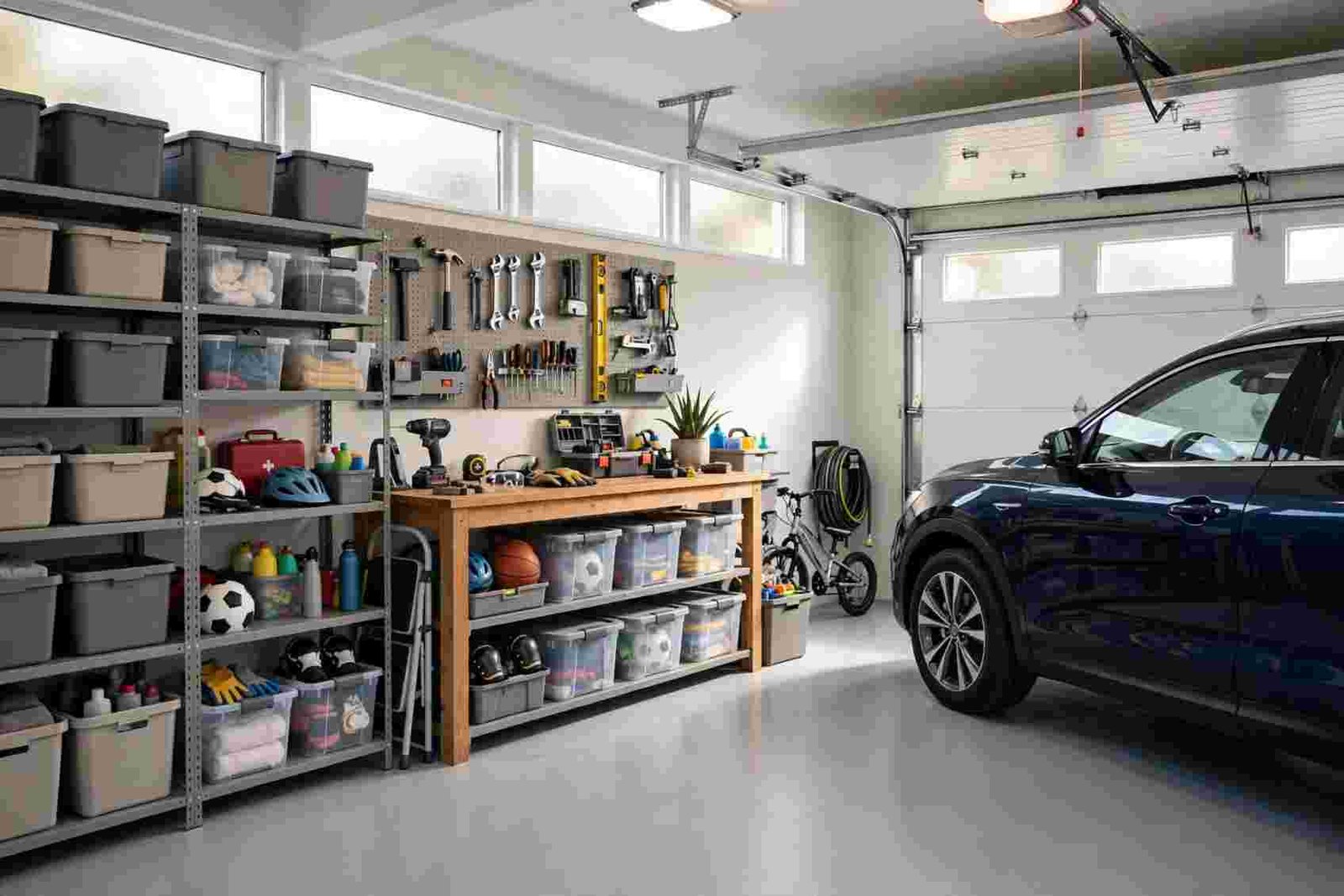
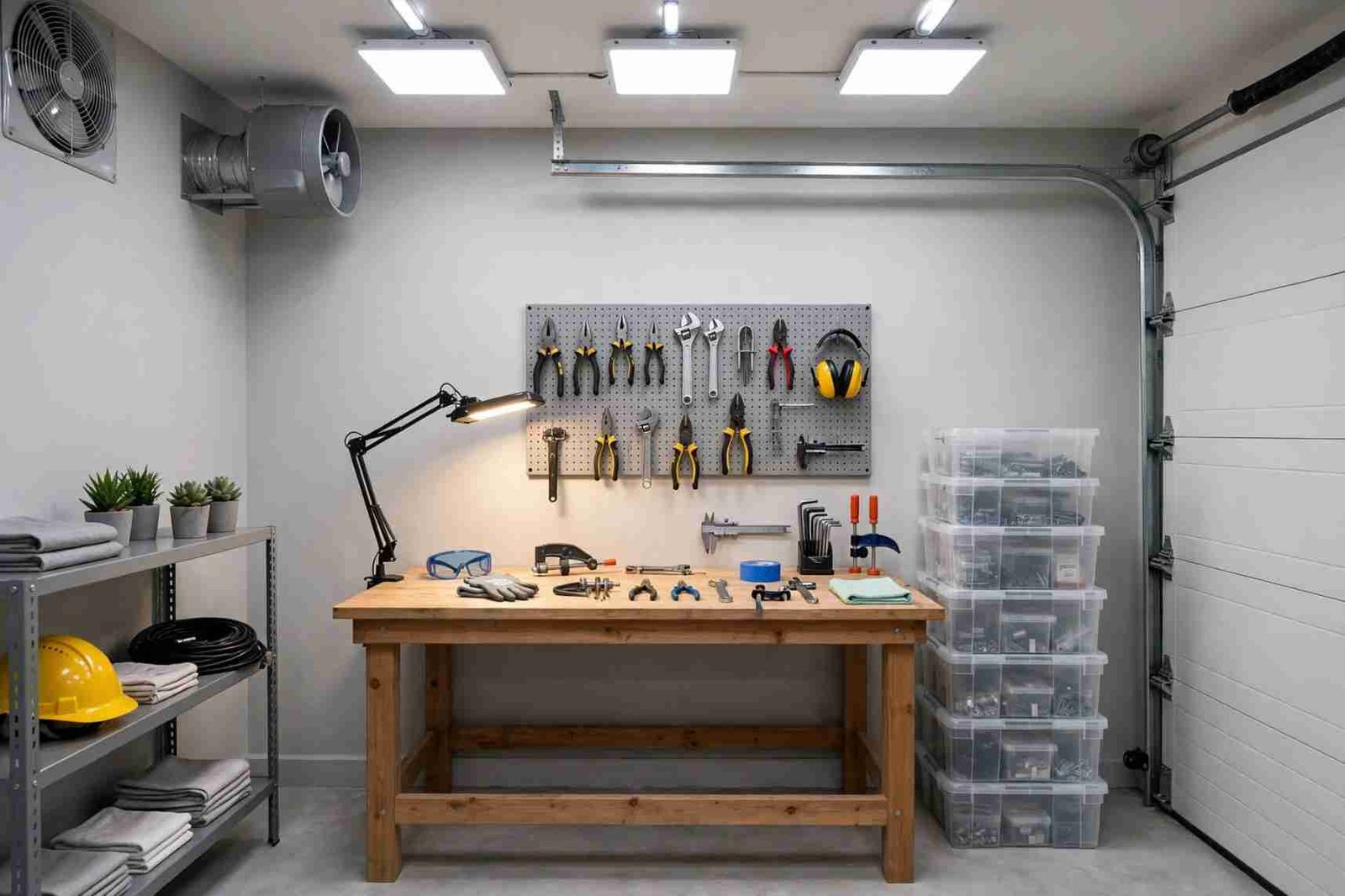
Maintain tool safety by keeping sharp implements such as saws, drills, and blades stored securely in locked toolboxes or drawers. Utilize sturdy wall-mounted storage solutions, such as pegboards or slat walls, to elevate hand tools and keep walkways clear.
Heavy power tools and bulky equipment should be placed on lower shelves to prevent injuries caused by falling objects. Ensure that ladders are securely mounted horizontally along a wall or anchored on hooks so they cannot tip over or fall unexpectedly.
4. Conduct Regular Garage Door Inspections
As the largest moving mechanical system in most residences, the garage door requires routine oversight to ensure safe operations. Neglected garage doors can cause severe injuries or compromise home security.
Periodically check the auto-reverse safety feature by placing a small object, such as a block of wood, in the door’s path during operation; the door should reverse immediately upon contacting the object. Inspect photo-electric sensors along the base of the frame to ensure they remain clean, unobstructed, and aligned. Inspect high-tension springs, cables, hinges, and rollers for signs of wear or fraying, and apply silicone-based lubricant to moving components every few months. Due to the immense tension involved, never attempt to repair or adjust garage door springs yourself; always consult a certified technician.
5. Upgrade Lighting, Airflow, and Environmental Controls
Inadequate visibility and poor ventilation contribute significantly to trips, falls, and toxic fume buildup. Bright, focused illumination ensures you can safely navigate spaces and perform DIY projects without injury.
Equip work zones with bright LED fixtures, overhead fluorescent panels, or motion-sensor lights to illuminate high-traffic pathways. Task lighting directed specifically at workbenches improves precision and reduces eye strain during detailed work. Furthermore, maintain adequate ventilation whenever working with volatile chemicals or running gas-powered devices. Never idle a vehicle or operate gas engines inside an enclosed garage, and consider installing a carbon monoxide detector to provide an early warning against dangerous gas accumulations.
Seasonal inspections can help homeowners address changing weather conditions and identify maintenance needs before they become larger problems. Following a practical seasonal home maintenance checklist for Cape Cod can help keep essential home systems and surrounding areas in good condition throughout the year.
Conclusion
Transforming your garage into a safe, functional space requires ongoing diligence and smart organizational choices. By systematically addressing fire hazards, securing dangerous chemicals, organizing heavy tools, and inspecting mechanical components, you safeguard your family and preserve your property’s value. Taking proactive steps today ensures your garage remains an asset rather than a hazard zone.